EcoFlow DELTA 2
€799

Buying guide
By Kobolt Bikes · ·

A portable power station with solar panel gives you mains-style power at a campsite, in a campervan or on an e-bike trip, but only if you match its capacity, output and solar input to what you run. This guide explains the difference between a camp power station and a big power bank, how many e-bike charges a power station can really give, what the maker says about solar charging and how three products we stock compare: the Anker 140W power bank at €120, the EcoFlow Portable Power Station at €644 and the EcoFlow DELTA 2 at €799. Prices come from our catalogue and specifications from our product pages and the maker.
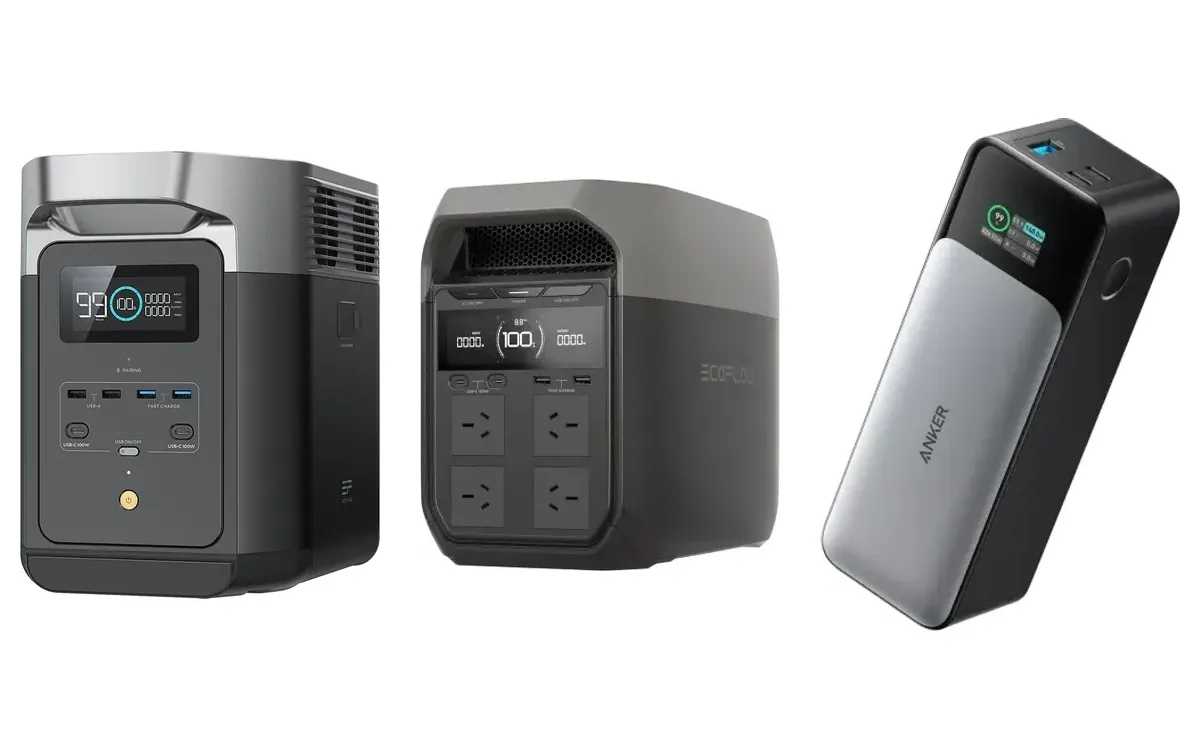
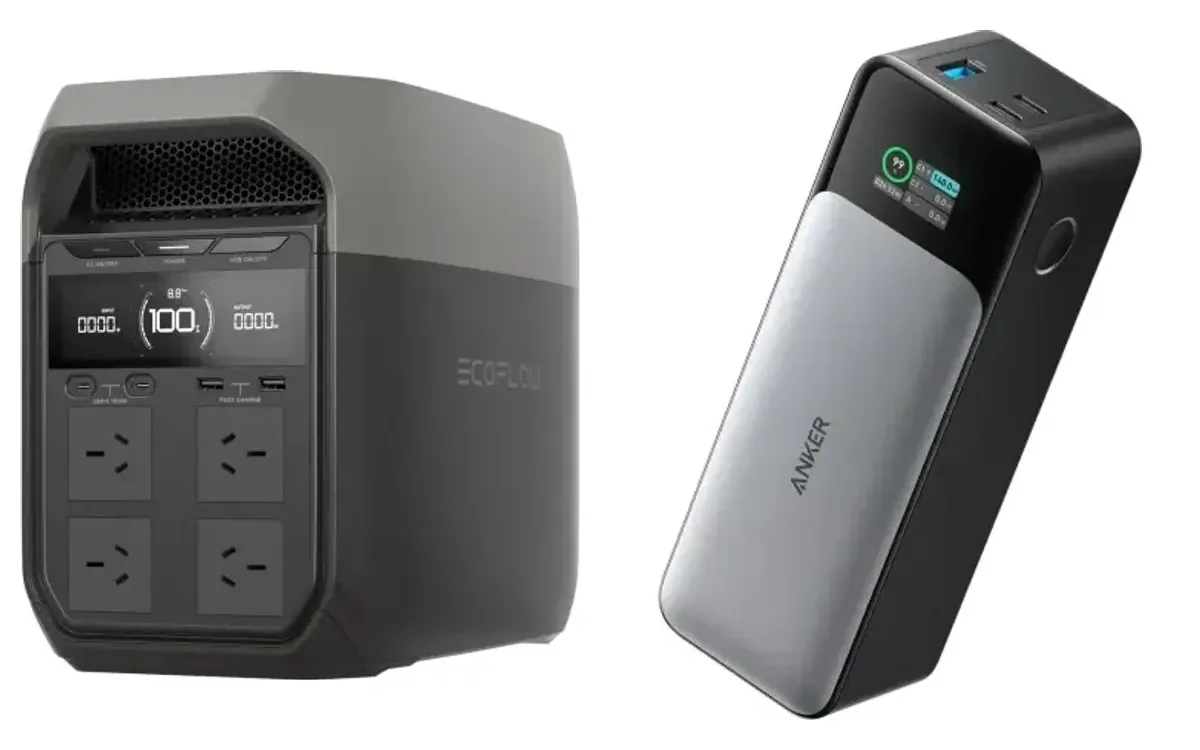
We list three power sources. Prices are catalogue prices in euro including VAT; specifications are on the product pages. A dash means the page publishes no figure and we did not guess one.
| Model | Price | Capacity | Output | Weight |
|---|---|---|---|---|
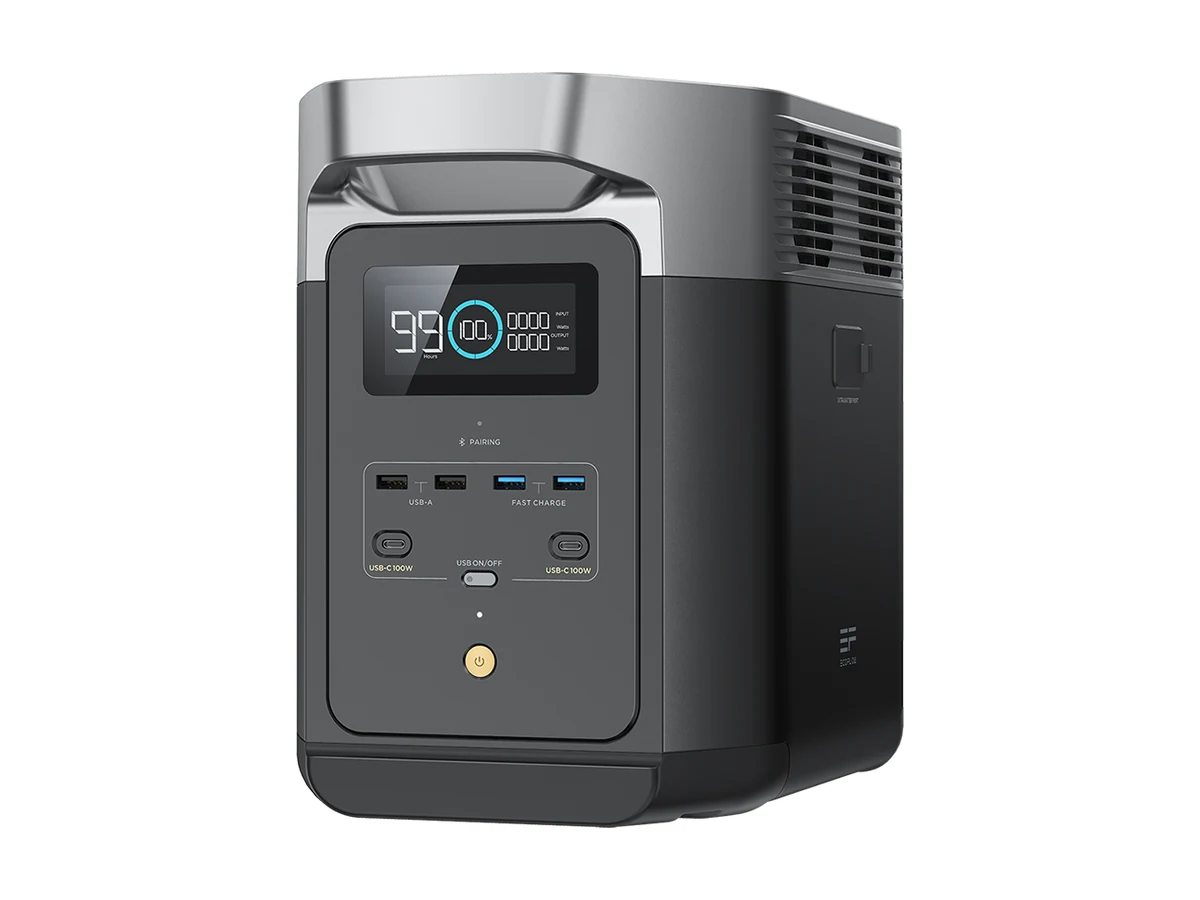
| EcoFlow DELTA 2 | €799 | 1,024 Wh (LiFePO₄) | 1,800 W AC | 12 kg |
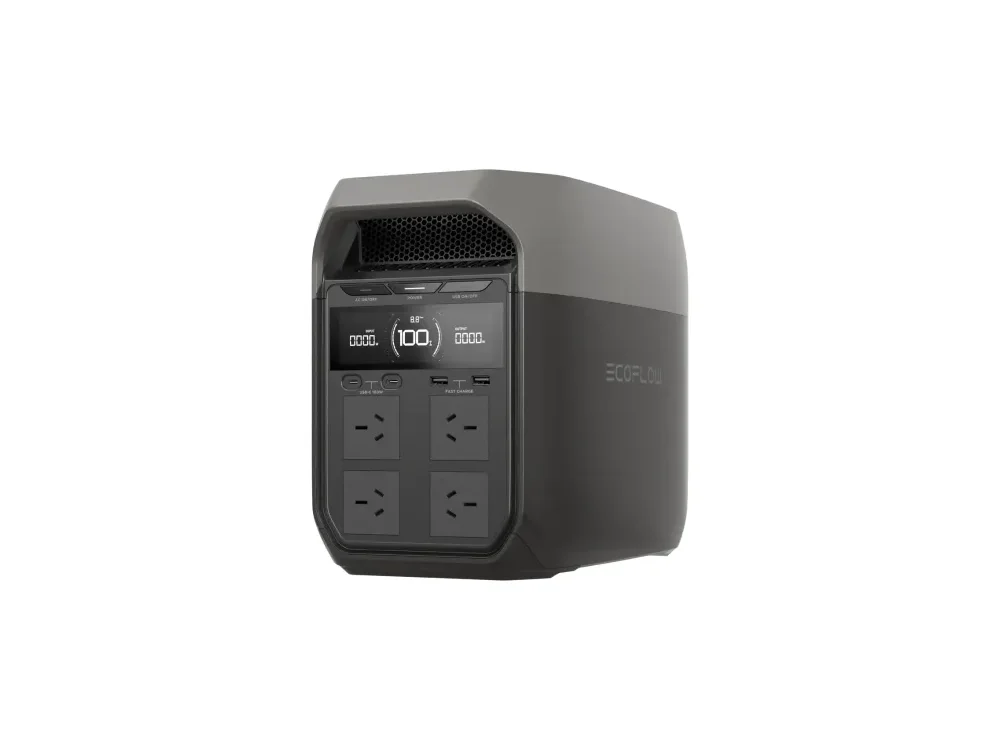
| EcoFlow Portable Power Station | €644 | – | AC · DC · USB | – |
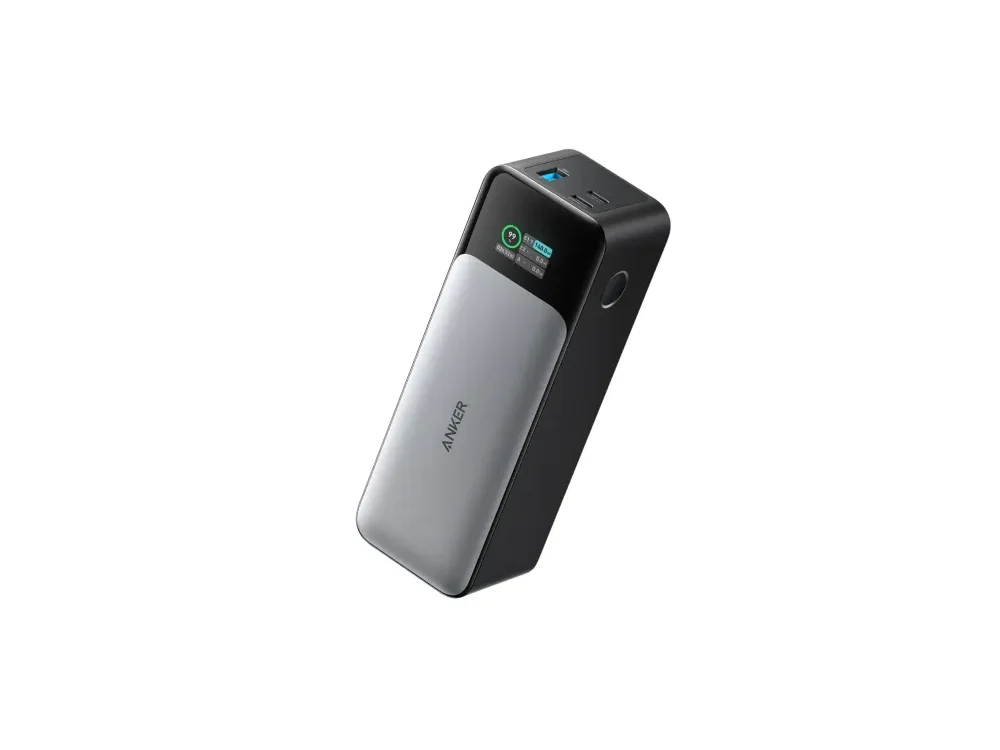
| Anker 140W Fast-Charging Power Bank | €120 | 24,000 mAh (88.8 Wh) | 140 W USB-C PD 3.1 | 0.63 kg |
The EcoFlow DELTA 2 lists 1,024 Wh of LiFePO₄ capacity, 1,800 W AC output and 12 kg. The Anker 140W Fast-Charging Power Bank lists 24,000 mAh (88.8 Wh), 140 W USB-C PD 3.1 output, two USB-C and one USB-A port and 0.63 kg. The EcoFlow Portable Power Station page lists AC, DC and USB outputs but publishes no capacity, wattage or weight, so ask us for those before you order.
A power bank has USB ports and a small battery. A power station adds mains outlets, a much bigger battery and a heavier case. The Anker 140W Fast-Charging Power Bank (€120, 88.8 Wh) charges phones, GPS units and laptops from USB, but our page lists no AC outlet, so it cannot run an e-bike charger or a kettle. The EcoFlow DELTA 2 (€799, 1,024 Wh, 1,800 W AC) is about eleven times the energy of the Anker and runs mains devices.
Choose by what you run, not by the name. For a phone, a GPS and lights on a weekend, a big power bank is enough; see our GPS cycle computer guide and phone mount guide. For a campervan fridge, a laptop and an e-bike charger, you need a power station. The EcoFlow Portable Power Station (€644) lists AC, DC and USB output; ask us for its capacity before you rely on it.
An e-bike battery is measured in watt-hours. Divide the power station's capacity by the battery's capacity for an upper limit on charges, and expect fewer because of conversion losses. With 1,024 Wh, the DELTA 2 could give at most about 1.6 charges of our 630 Wh Shimano STEPS BT-E8036 battery, about 1.4 charges of our 750 Wh Bosch PowerTube battery, about 4 charges of the 250 Wh Giant EnergyPak range extender and about 6 charges of the 160 Wh Specialized range extender. These are our estimates, not maker figures.
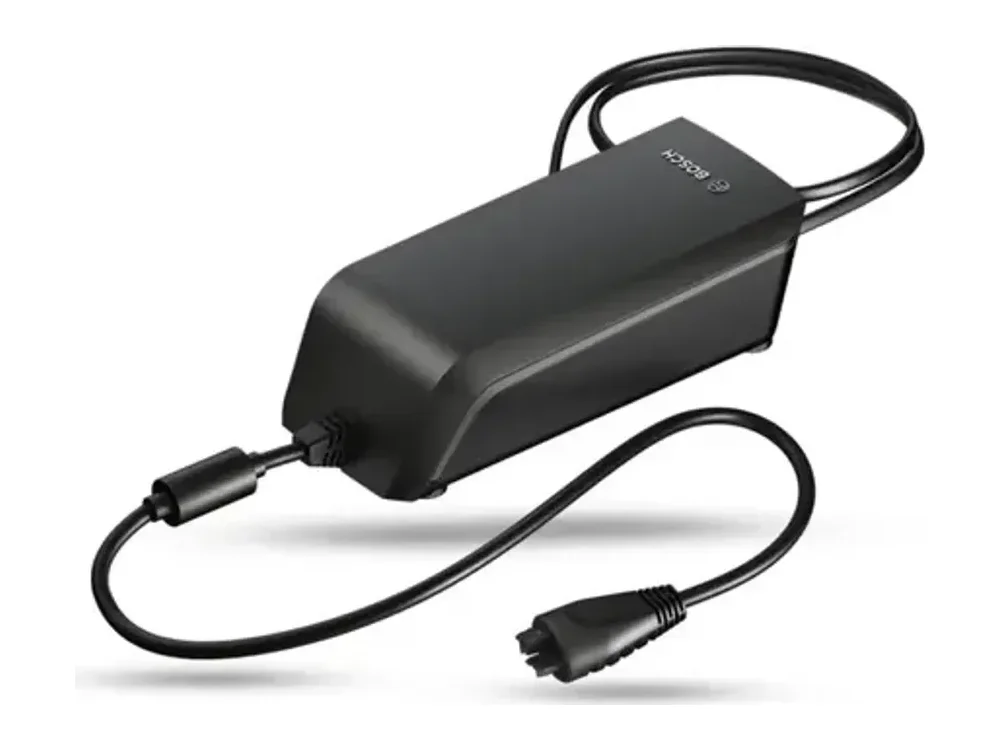
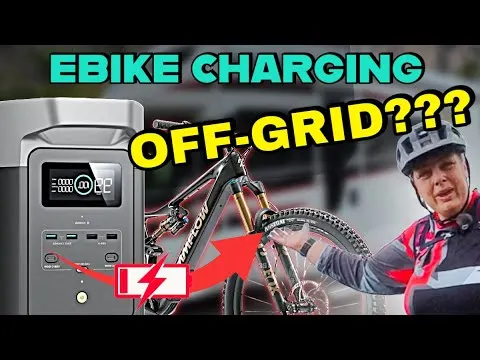
Check the charger too. Our Universal 48V charger outputs 54.6 V at 2 A, about 109 W, and the Shimano EC-E6000 outputs 36 V at 4 A, about 144 W, far below the DELTA 2's 1,800 W AC output, so a power station can run them. The independent video above tests charging an e-bike off-grid with a DELTA 2. For chargers and safety, read our e-bike charger guide.
EcoFlow's DELTA 2 page lists a solar charging input of 11 to 60 V, 15 A and 500 W maximum, with an MPPT algorithm that tracks the best operating point. It says the DELTA 2 can charge in as little as 3 to 6 hours with one 400 W or two 220 W portable panels, and it lists 110, 160, 220 and 400 W panels in the range. AC charging is listed at 1,200 W and car charging from a 12 V or 24 V battery at 8 A.
We do not sell solar panels, and our product pages do not publish a solar input rating, so treat the EcoFlow page as the source and check the panel's voltage and current against the 11 to 60 V, 15 A window before you buy. The EcoFlow page also notes that its solar bundles may need a specific cable, so check what is in the box. Ask us if you want help matching a panel.
The DELTA 2 page lists four AC outlets with 1,800 W total (2,700 W surge), 2,400 W for devices with its X-Boost feature, two USB-C ports up to 100 W, two USB-A ports, a 126 W car output and two 12.6 V DC ports. Its maker says 1,800 W covers most home appliances and names a microwave, a fridge and a coffee maker as examples. A kettle or heater can draw a lot of power and drain 1,024 Wh quickly, so add up the watts of what you plan to run.
It weighs 12 kg and measures 400 × 211 × 281 mm according to the maker, so check that it fits and can be secured in a campervan locker. It lists a LiFePO₄ battery with 3,000 cycles to 80 percent capacity or more. The maker also advises checking local electrical regulations for your country and consulting a qualified electrician before installation, which matters if you wire it into a vehicle.
Large lithium batteries deserve the same care as e-bike batteries. The Danish consumer council Tænk advises using undamaged, original batteries and chargers that match each other, not charging damaged or swollen batteries, having a smoke alarm where you charge and not charging overnight or when nobody is home. It also says not to charge on anything that burns easily and not to charge large batteries by exits, hallways or stairs.
That advice is about lithium-ion batteries in general, not about one product, so follow the maker's manual first. We are not a safety authority; read the Tænk page (in Danish) and the EcoFlow DELTA 2 page for the maker's own specifications.
At €120, €644 and €799 the three products cover very different jobs. The price of a power station pays for capacity, output, battery chemistry and weight. Compare them on the same basis: capacity in watt-hours, continuous output, solar input, weight and the devices you run.
We ship from Germany with free delivery in Denmark. Outside Denmark a flat €69 shipping fee applies below €3,000, and free EU land shipping applies above that. Orders are processed in 1 to 3 business days, you have a 14-day right of withdrawal, and the minimum order is €350, so a power bank usually goes into an order with other gear. Ask on the contact page about stock and delivery.
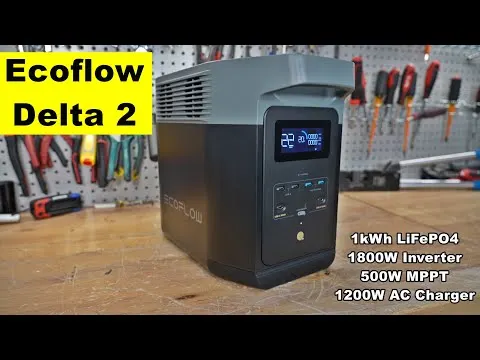
For an independent view, watch the two videos above. See also our riding gear and accessories.
It is a battery with mains-style outlets that you can recharge from solar panels. The EcoFlow DELTA 2 lists 1,024 Wh and 1,800 W AC output, and its maker lists a solar input of 11 to 60 V, 15 A and 500 W maximum. We sell it at €799 including VAT.
Yes, if it has an AC outlet for the e-bike charger and enough capacity. The DELTA 2 has 1,024 Wh, so at most about 1.4 charges of a 750 Wh battery in our estimate before losses. A power bank with only USB ports cannot run an e-bike charger.
EcoFlow says the DELTA 2 can charge in as little as 3 to 6 hours with one 400 W or two 220 W panels. Real time depends on sun, season and panel angle. We do not sell panels, so check the panel against the 11 to 60 V, 15 A window.
It is enough for phones, GPS units, lights and laptops. Our Anker 140W power bank lists 88.8 Wh and USB outputs only. For a fridge, a kettle or an e-bike charger you need a power station with AC outlets and much more capacity.
The EcoFlow DELTA 2 weighs 12 kg and measures 400 × 211 × 281 mm according to its maker, while the Anker 140W power bank weighs 0.63 kg. Check where you will carry and secure it, especially in a campervan locker.
In our catalogue the Anker 140W power bank costs €120, the EcoFlow Portable Power Station €644 and the EcoFlow DELTA 2 €799 including VAT. Outside Denmark a flat €69 shipping fee applies below €3,000, and the minimum order is €350.
Ready to choose? Browse riding gear and accessories, or tell us what you run and where you camp and we will confirm which power source fits.
Topics: portable power station with solar panelbig powerbank for campingcamp power stationbest portable power station for campervanbest power bank for campervanbig power banks for campingportable power stations ukpower pack portable powerpower station campingpower generator portablegood power stationcamping power station ukcampervan powerbankpower bank for motorhomeportable solar power plantpower box for campingportable power station