Garmin Edge MTB
€368

Buying guide
By Kobolt Bikes · ·
A GPS cycle computer records your ride, shows your route and keeps going long after a phone would have died. This guide explains what to compare, how to read battery and water ratings, when a phone mount is enough, and how two Garmin models we stock compare: the Garmin Edge MTB at €368 and the Garmin Edge 540 at €322, plus a power pack that adds hours. Prices come from our catalogue and specifications from our product pages and Garmin's manual, and we say plainly where a figure is missing.
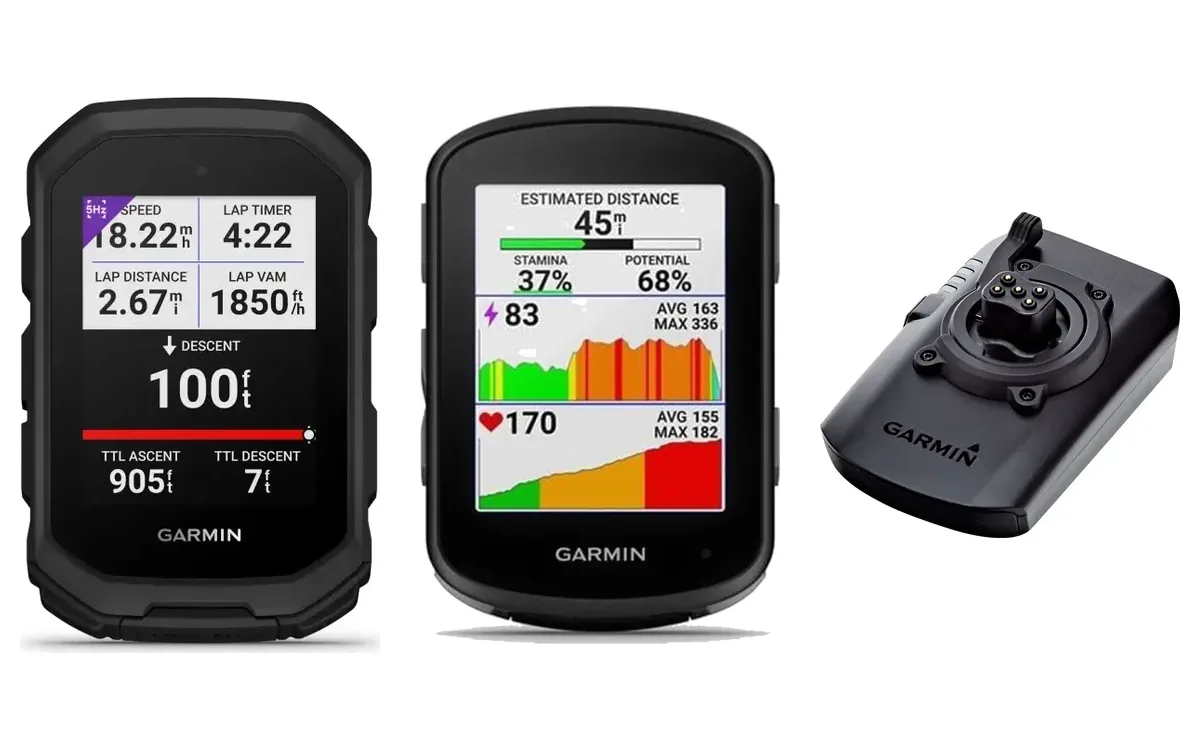
We list two cycle computers and a charging pack. Prices are our catalogue prices in euro including VAT; specifications are on the product pages. A dash means the page publishes no figure and we did not guess one.
| Model | Price | Display | Battery life (as published) | Weight |
|---|---|---|---|---|
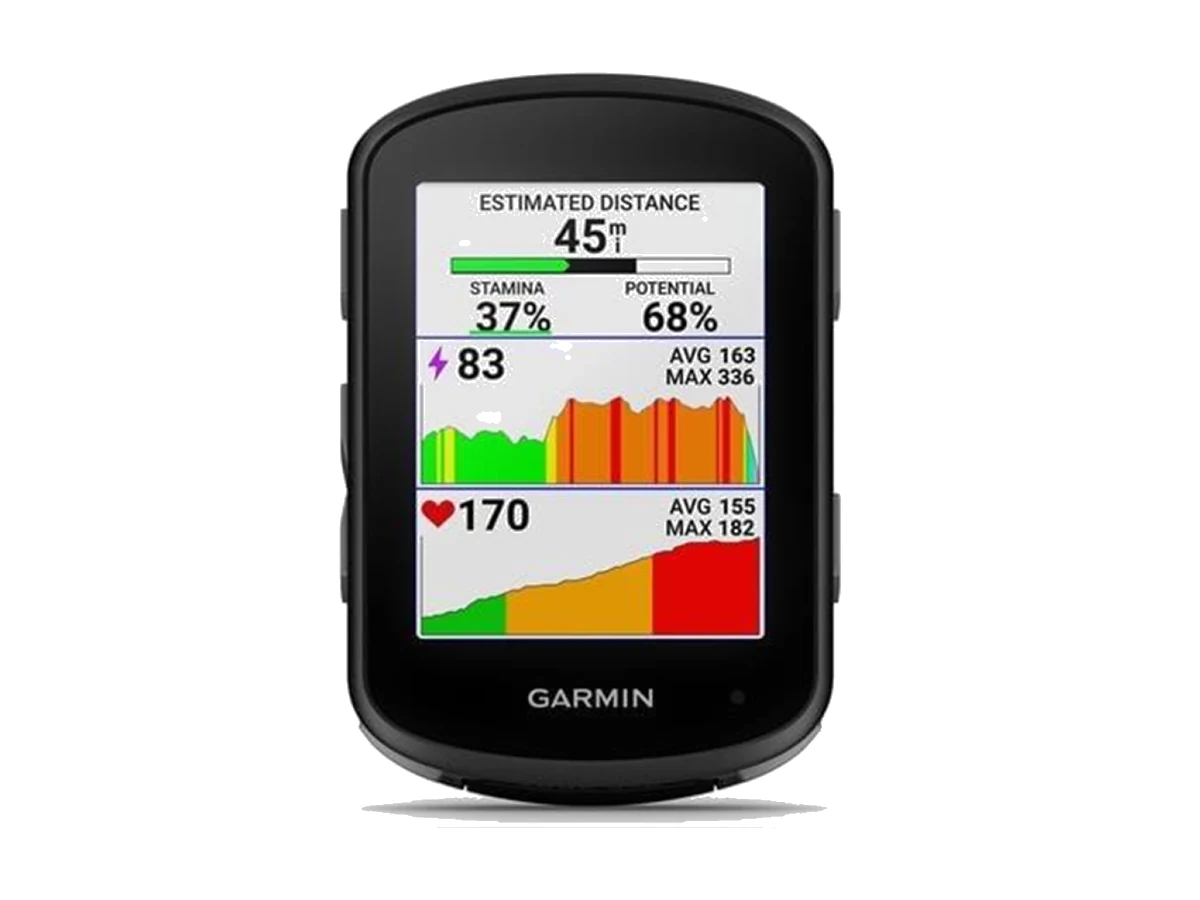
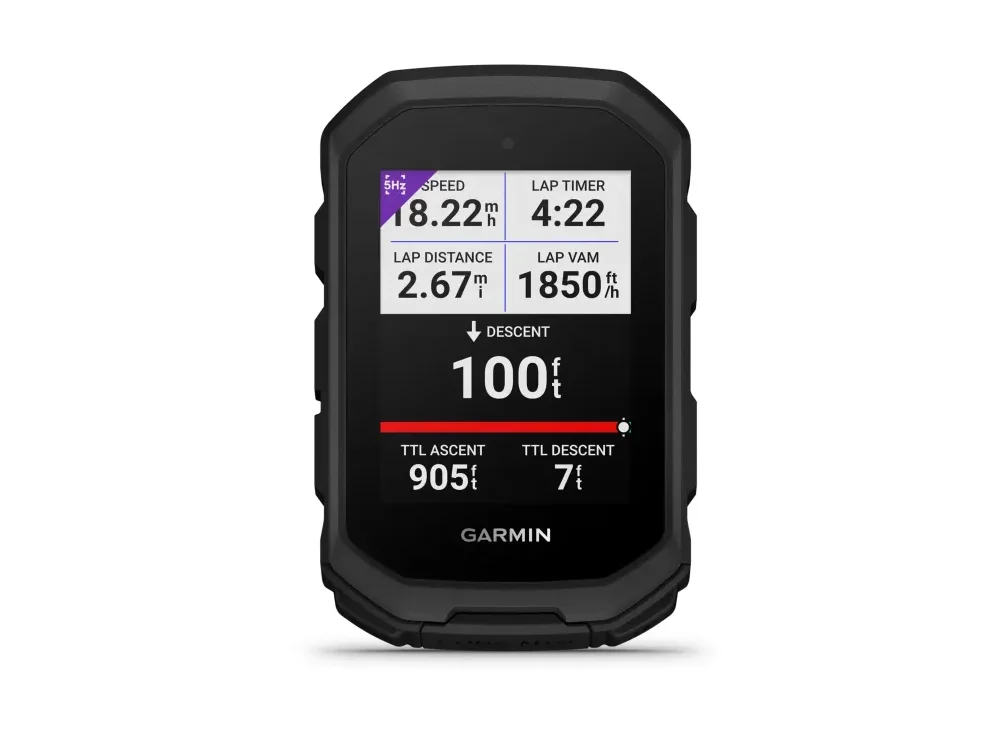
| Garmin Edge MTB | €368 | 2.13″ (240 × 320) | 14–26 h | 0.058 kg |
| Garmin Edge 540 | €322 | 2.6″ (246 × 322) | 26 h (42 h battery saver) | – |
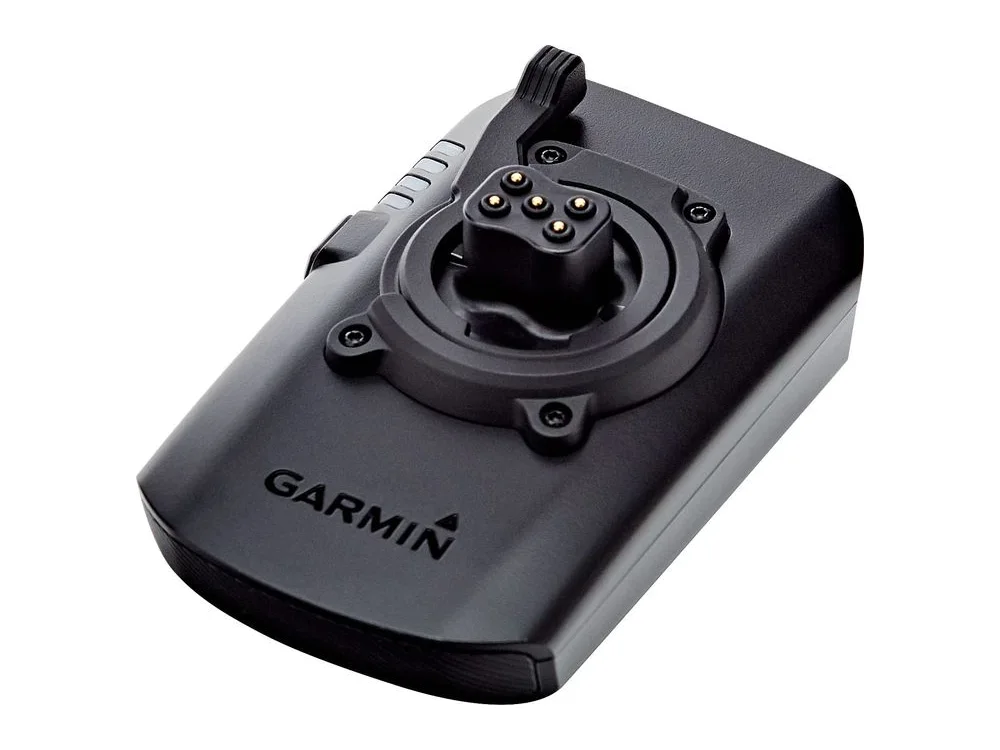
| Garmin Edge Power Mount Charging Pack | €83 | – | +24 h (3,100 mAh) | 0.132 kg |
On paper the Edge MTB has a smaller 2.13 inch display, 14 to 26 hours of battery, 32 GB of memory, IPX7 and a weight of 58 g, while the Edge 540 has a 2.6 inch display and 26 hours of battery, or 42 hours in battery saver mode. The pack adds 3,100 mAh (15.5 Wh) and more than 24 hours. The tables do not say how the screens look in sun or how the buttons feel with gloves, so check those against your riding.
Buying guides agree on one thing: start with whether you need one at all. A phone on a mount, covered in our bike phone mount guide, shows maps and records rides for little money. A dedicated computer costs more but has a screen built for sun and rain, buttons that work with gloves, a battery that lasts a long ride and sensors that pair without draining your phone.
Choose a computer if you ride long routes, ride in rain, want a screen that stays on all day or want to keep your phone safe in a pocket. Choose a phone if you ride short and want maps for free. Some riders use both: the phone for calls and a computer for the ride.
Think about what you will look at while riding. Most riders want speed, distance, time and a map line to follow; trail riders add elevation and climb figures, and training riders add heart rate and power. A larger screen shows more at once but costs weight and battery, while a smaller one is lighter and easier to mount. Buttons are more reliable than a touchscreen in rain and with gloves. Be honest about how many data fields you will use.
Finally, think about where the data goes. Most computers sync rides to an app so you can share them or review them later, and that is part of the value. If you ride mostly for fun and rarely look back at the numbers, a phone app and a good mount may give you everything you need. If you plan to follow structured training or navigate long unfamiliar routes, a dedicated unit pays for itself in reliability.
Battery life is the number most riders care about, and it is a figure for ideal conditions. The Edge MTB lists 14 to 26 hours on our page, and the Edge 540 lists 26 hours, rising to 42 hours in battery saver mode. Garmin's manual for the Edge 540 confirms 26 hours and notes up to 32 hours for the solar version. Cold weather, bright screens, mapping and connected sensors reduce real-world time, so treat these as the best case.
For multi-day rides, the Garmin Edge Power Mount Charging Pack (€83) lists 3,100 mAh (15.5 Wh), more than 24 additional hours, IPX7 and 0.132 kg. It does the job of a power bank without a cable on the bars.
IPX7 means the device withstands incidental exposure to water up to 1 m for up to 30 minutes under the standard cited by Garmin, which is plenty for rain and splashes. It is not a licence to submerge it, and it does not cover dust. Both the Edge MTB and the charging pack list IPX7 on our pages.
The Garmin Edge MTB (€368) is sold as a ride accessory for navigation, lighting and mounting your devices, in a genuine manufacturer part for a factory-matched fit. The Garmin Edge 540 (€322) is the larger-screen option. For rough trails, a rigid mount and a screen you can read at speed matter more than extra features, and a computer is lighter than a phone case on the bars.
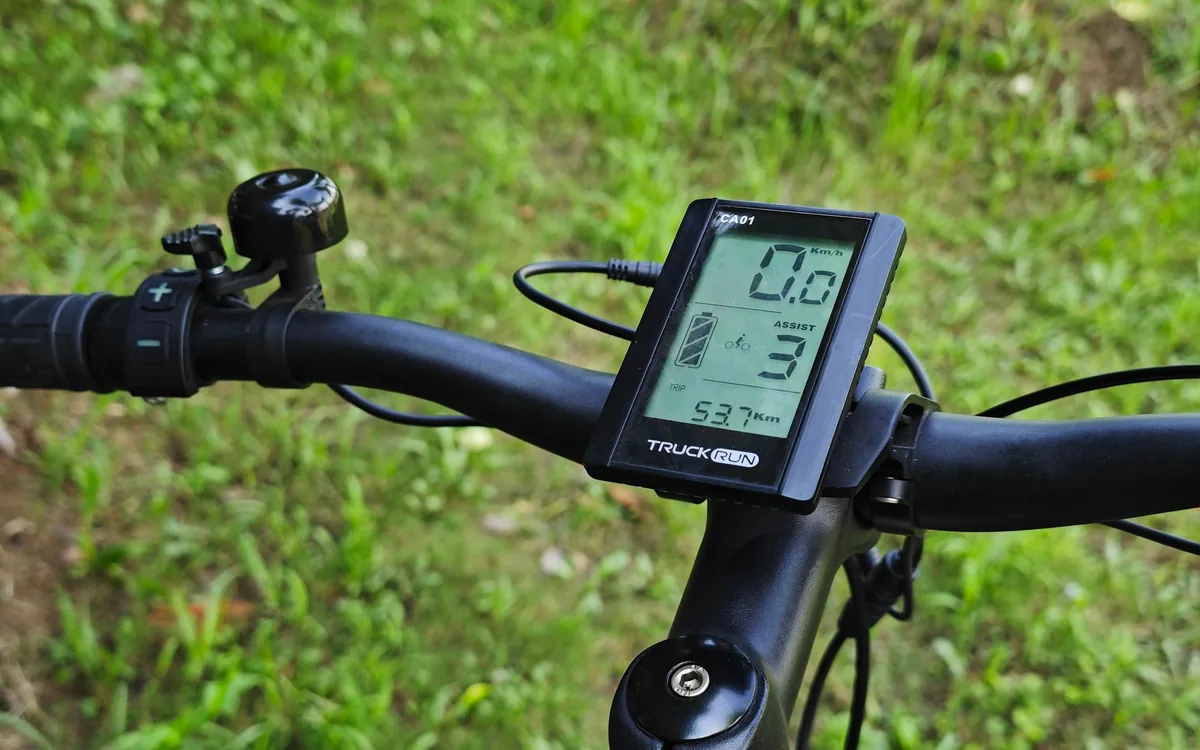
On an e-bike, the drive usually has its own display for assist level and range, and a computer does not replace that. What a computer adds is a ride record, navigation and sensor data. On an electric dirt bike such as a Sur-Ron Light Bee X, a cycle computer is not a speedometer for road use and it does not make an off-road bike road-legal; see our electric dirt bike buying guide.
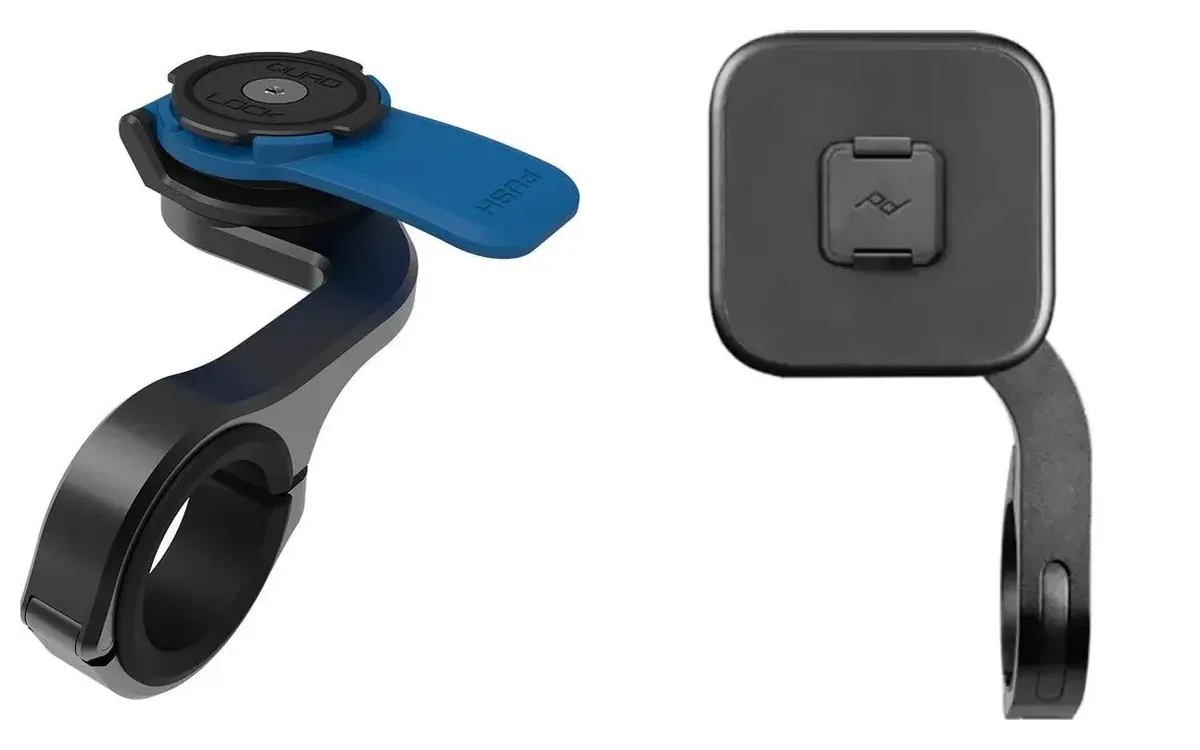
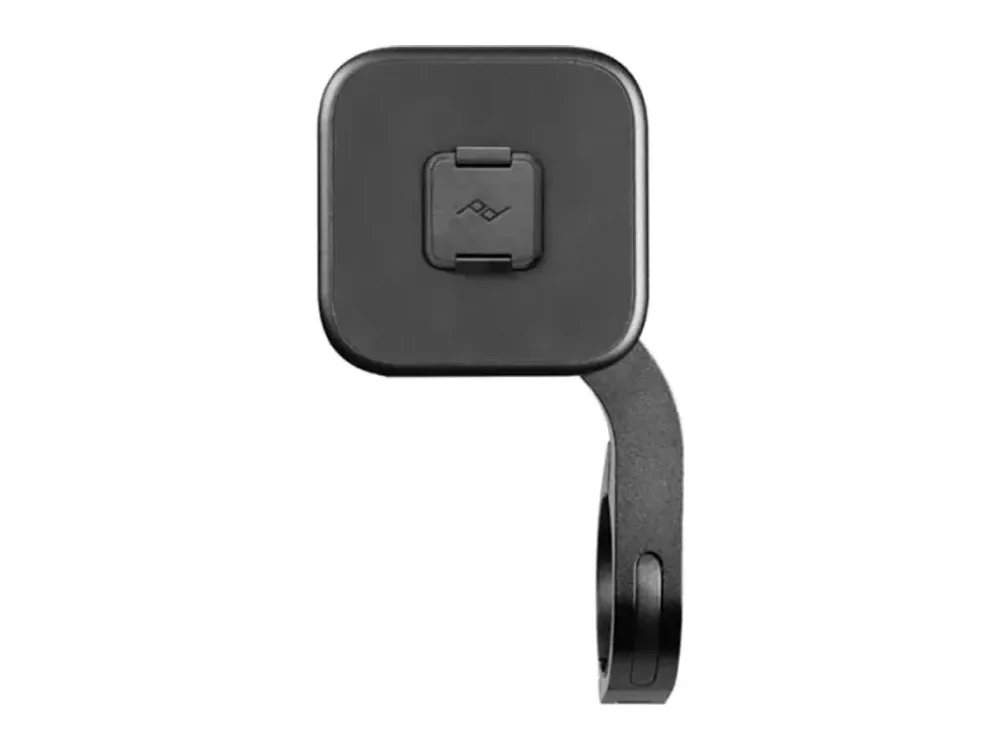
Both computers need a mount: the Quad Lock Out Front (€37) and the Peak Design Out Front (€64) are out-front mounts that can also hold a light or a camera. Check that your computer's mounting standard matches the mount.
A cycle computer is also an app. Guides stress compatibility with your sensors and with ride apps such as Strava, and recommend that sensors and mounts work without adapters. Before you buy, list what you want to connect: heart rate strap, speed and cadence sensors, power meter, lights or an e-bike drive, and check that the computer pairs with them.
Also check storage and updates. Memory matters if you load offline maps, and the Edge MTB lists 32 GB on our page. Software updates and map downloads normally need a cable or Wi-Fi, so factor in the first-day setup time, and keep the device firmware current.
At €322 and €368 the two Garmin units cost several times more than a phone mount, and you are paying for the dedicated screen, the battery and the ecosystem. Compare on the same basis: display size and type, rated battery life with and without battery saver, water rating, memory, weight, sensor support and mounting.
We ship from Germany with free delivery in Denmark. Outside Denmark a flat €69 shipping fee applies below €3,000, and free EU land shipping applies above that. Orders are processed in 1 to 3 business days, you have a 14-day right of withdrawal, and the minimum order is €350. Ask on the contact page about stock and delivery.
For an independent view of bike computer options, watch the video above. The maker's specification page for the Edge 540 is Edge specifications. See also our riding gear and accessories.
A GPS cycle computer is a handlebar device that records your ride, shows your route and speed and pairs with sensors. The Garmin Edge MTB costs €368 with a 2.13 inch display and 14 to 26 hours of battery on our page, and the Edge 540 costs €322 with a 2.6 inch display.
A computer has a screen made for sun and rain, buttons that work with gloves and a battery that lasts a long ride, while a phone mount is cheaper and uses a device you already own. Choose by ride length and weather, and use both if you like.
The Garmin Edge 540 lists 26 hours, rising to 42 hours in battery saver mode, and Garmin's manual confirms 26 hours. The Edge MTB lists 14 to 26 hours on our page. Cold, bright screens and mapping shorten these figures. The charging pack adds more than 24 hours.
IPX7 means the device withstands incidental exposure to water up to 1 m for up to 30 minutes under the standard Garmin cites. That is plenty for rain and splashes, but it does not mean you should submerge it, and the rating does not cover dust.
Not necessarily. Many e-bike drives have their own display for assist level and range. A cycle computer adds a ride record, navigation and sensor data. On an off-road electric dirt bike it is not a road speedometer.
The Garmin Edge 540 costs €322 and the Garmin Edge MTB costs €368 including VAT in our catalogue, and the power pack costs €83. Outside Denmark a flat €69 shipping fee applies below €3,000, and free EU land shipping applies above that.
Ready to choose? Browse riding gear and accessories, or ask us which computer, mount and power pack suit your rides.
Topics: gps cycle computergps bike computersbike cycling computerbike computer gpswireless bike computerwireless cycle computerbike cpucycle bike computergarmin computer cyclingcycling wireless computerbike computer with gpsbike gps navigation devicegps cycling computerbicycle gps computertrek wahoogps computer cycling