Yeti 160E C2
€8,280

Buying guide
By Kobolt Bikes · ·

Choosing a Yeti electric mountain bike usually means weighing the Yeti 160E against a rival with a similar spec, and the Pivot Shuttle is the obvious one. This guide compares five bikes we stock: the Yeti 160E C2 at €8,280, the Pivot Shuttle SL Pro XT/XTR at €8,280, the Pivot Shuttle LT Team XTR at €9,660, the Yeti 160E C3 at €10,120 and the Yeti 160E T2 at €11,500. The 160E and the Shuttle LT both list a Shimano EP801 with 85 Nm and 170 / 160 mm of travel, so the differences are the battery, the weight, the price and the way each maker builds its suspension. Prices come from our catalogue and specifications from our product pages and the makers.
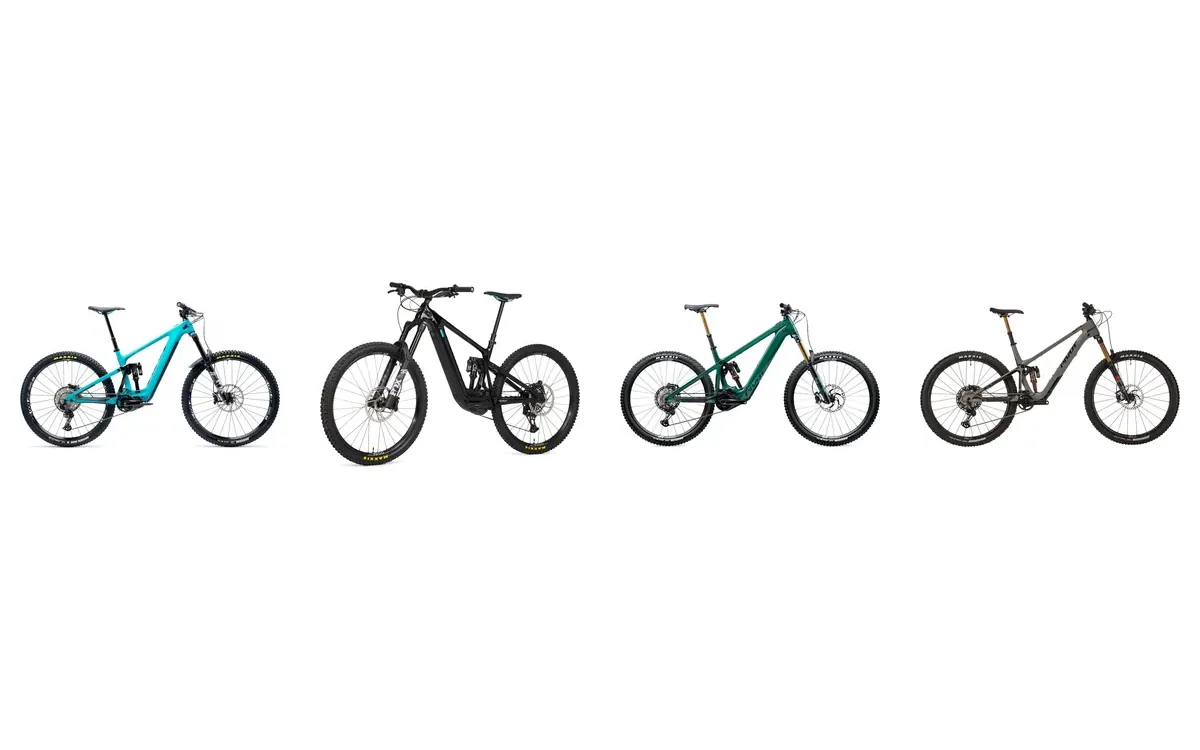
We list five bikes. A dash means the page publishes no figure and we did not guess one.
| Model | Price | Motor | Torque (Nm) | Battery | Weight | Travel (mm) |
|---|---|---|---|---|---|---|
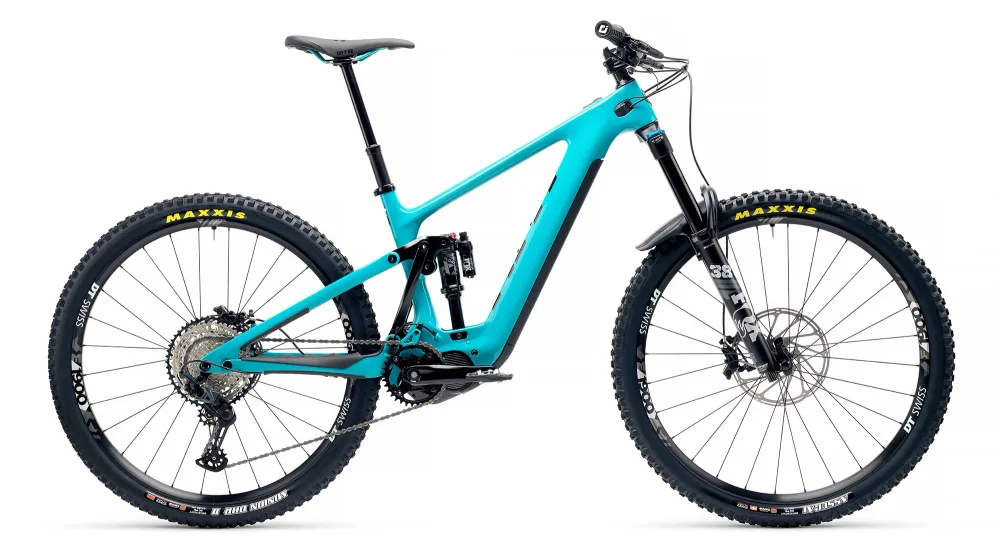
| Yeti 160E C2 | €8,280 | Shimano EP801 | 85 | – | – | 170 / 160 |
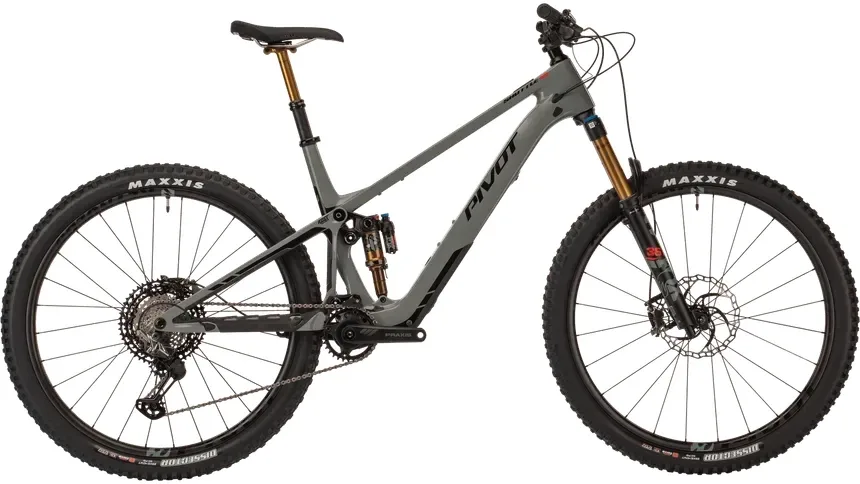
| Pivot Shuttle SL Pro XT/XTR | €8,280 | – | – | – | – | – |
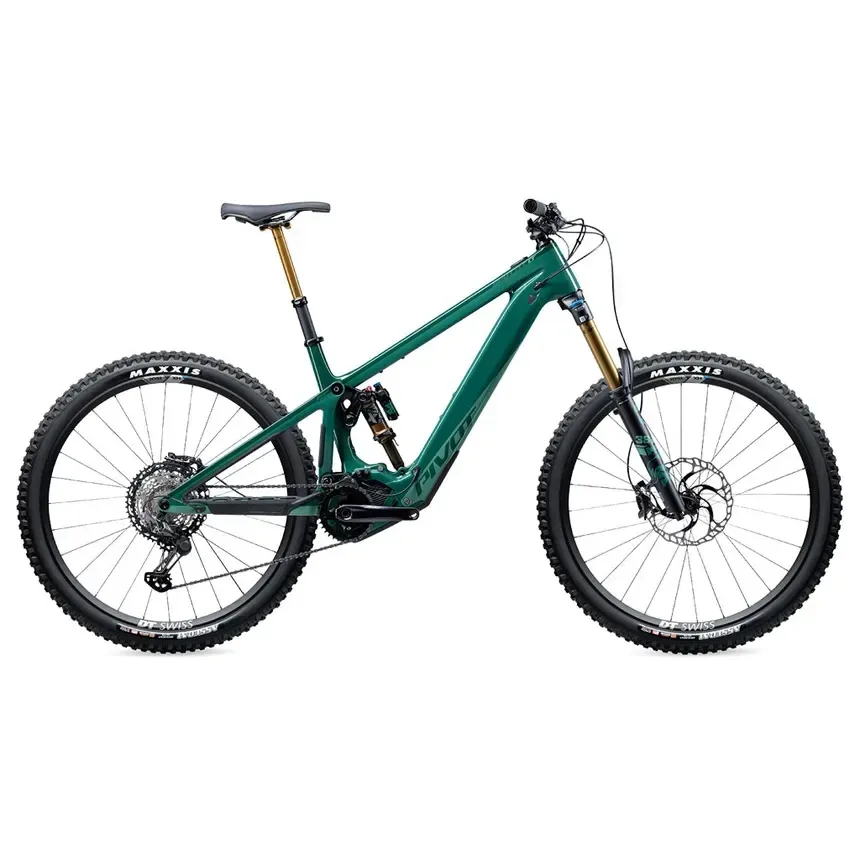
| Pivot Shuttle LT Team XTR | €9,660 | Shimano EP801 | 85 | 756 Wh | 22.5 kg | 170 / 160 |
| Yeti 160E C3 | €10,120 | Shimano EP801 | 85 | – | – | 170 / 160 |
| Yeti 160E T2 | €11,500 | Shimano EP801 | 85 | 630 Wh | 22.63 kg | 170 / 160 |
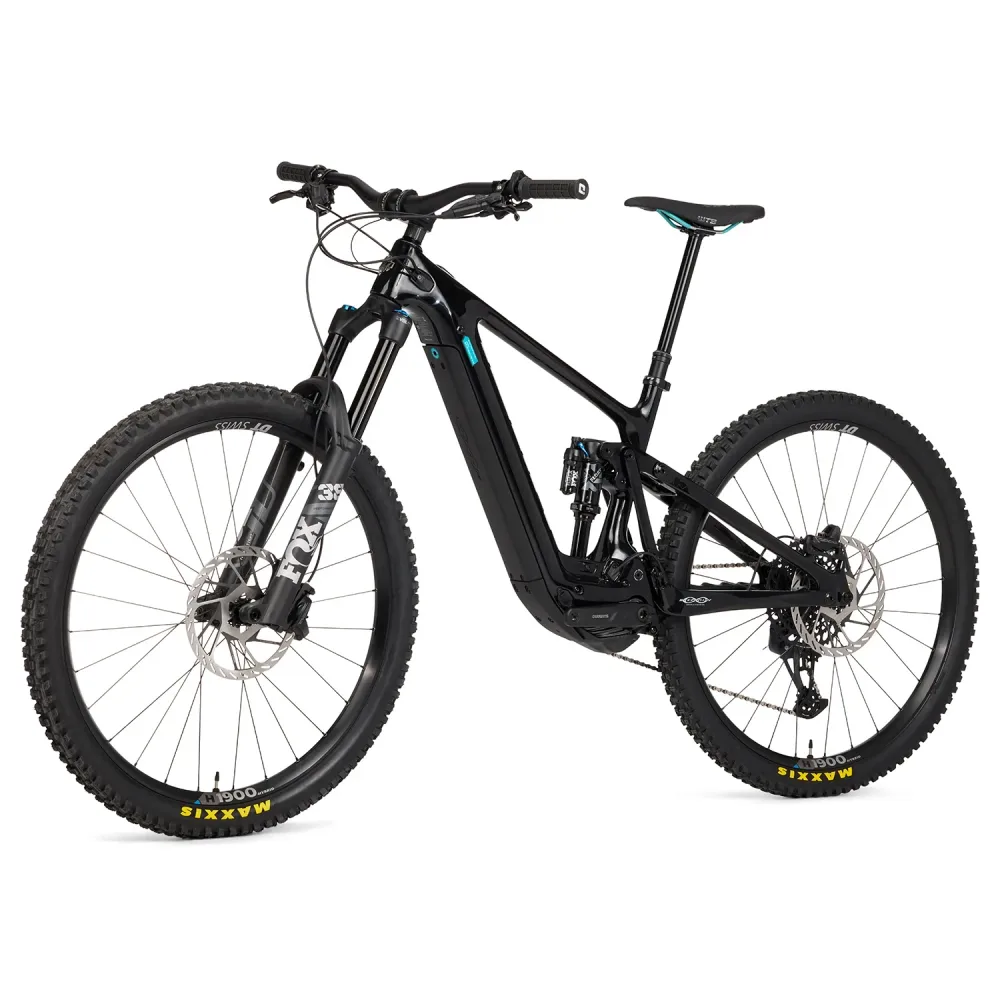
All three Yeti 160E models list a Shimano EP801 mid-drive with 85 Nm, a carbon frame and full suspension with 170 mm at the front and 160 mm at the rear; only the T2 lists a battery, 630 Wh, and a weight of 22.63 kg. The Pivot Shuttle LT Team XTR lists the same motor and travel with a 756 Wh battery and 22.5 kg. The Pivot Shuttle SL Pro XT/XTR page lists only a carbon frame and the EU pedelec class, so ask us for its motor, battery and weight.
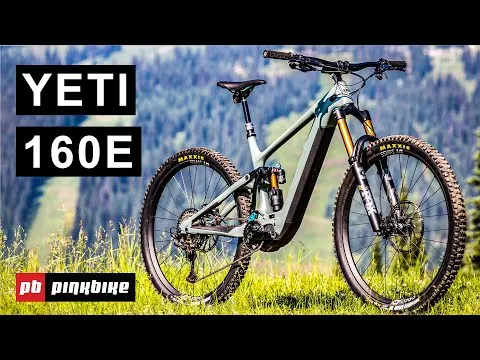
Yeti describes the 160E as a race-bred e-MTB built around its Sixfinity suspension. Its page says the anti-rise is reduced to 65 percent at sag and the anti-squat is 100 percent at sag, to suit the extra weight and acceleration of an e-MTB, and that the leverage rate progression is adjustable. It lists a Shimano EP8 motor with a 630 Wh battery, an uninterrupted seat tube for full dropper post compatibility and a custom OneUp chain guide on every bike.
On our site the Yeti 160E C2 is €8,280, the C3 €10,120 and the T2 €11,500, all with the EP801 and 170 / 160 mm. The price steps are for the build, and our pages do not publish component lists, so ask us what each includes. Yeti's website also lists the LTe, with a Bosch Performance Line CX or CX-R and 160 mm of rear travel, and the MTe, a 145 mm bike with a TQ HPR 60 motor. If you searched for the Yeti MTe, that is a different bike; we list the 160E, so ask us about current availability.
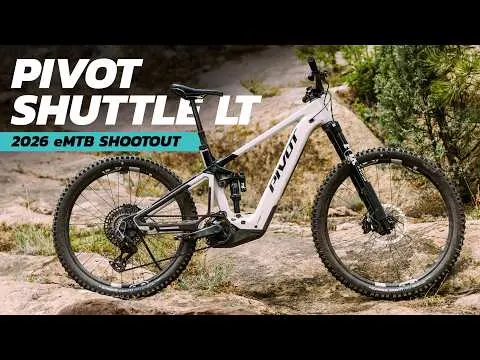
Pivot describes the Shuttle LT as enduro, electrified, with 162 mm of dw-link rear travel and 170 mm up front and mixed wheels. It says the Shuttle LT introduces the first independently adjustable seat tube angle, from 78 degrees for big climbs to 76.5 degrees for punchy terrain, with 8 mm of chainstay adjustment from its dropout system and a geometry flip-chip. It lists a Fox Podium inverted fork on its Pro and Team builds.
Our Pivot Shuttle LT Team XTR is €9,660 with the EP801, 85 Nm, a 756 Wh battery, 22.5 kg and 170 / 160 mm. Our Pivot Shuttle SL Pro XT/XTR is €8,280, and our page describes a light, natural-feeling assist that keeps it agile but publishes only the carbon frame. Pivot's own Shuttle SL page did not load when we checked, so we state nothing more about it.
These two are the like-for-like pair, because both pages list a battery and a weight. The Yeti 160E T2 costs €11,500 with a 630 Wh battery and 22.63 kg. The Pivot Shuttle LT Team XTR costs €9,660 with a 756 Wh battery and 22.5 kg. The Pivot is €1,840 cheaper, has 126 Wh more battery, about 20 percent more, and is 0.13 kg lighter on our listings. Both use the Shimano EP801 with 85 Nm and 170 / 160 mm of travel.
That does not make the Pivot the better bike. Ride both if you can, and read the independent reviews in the videos above: Pinkbike on the 160E and The Loam Wolf on the Shuttle LT. Ask us for the build list and the current price of each before you decide.
Fit matters as much as the spec sheet. Our pages publish no geometry or size chart, so tell us your height and inseam and we confirm the frame size with the maker. Pivot lists 8 mm of chainstay adjustment and an adjustable seat tube angle, which can change how a size feels, and Yeti lists an uninterrupted seat tube for a long dropper post. Neither is a reason to guess a size.
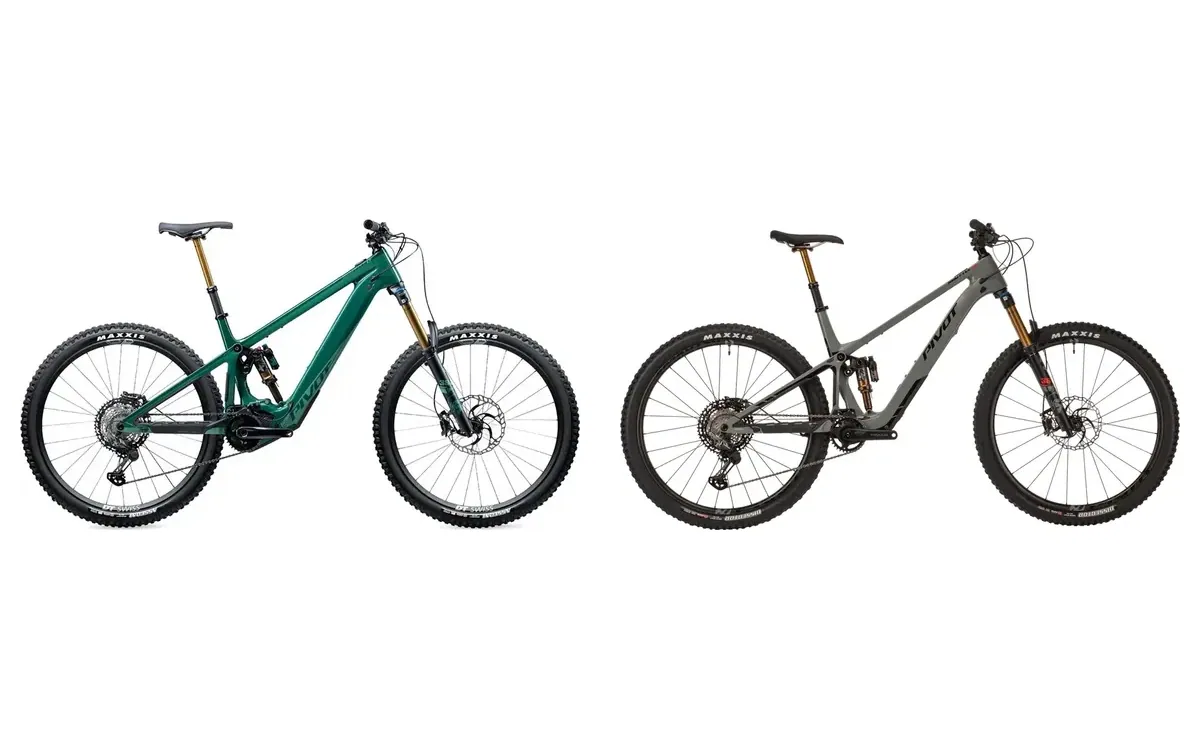
Choose the Yeti 160E if you want the race-bred Sixfinity platform and its adjustable leverage rate, and the C2 at €8,280 is the entry point. Choose the Pivot Shuttle LT if you value adjustability, with the angle and chainstay options Pivot lists, a bigger battery and a lower price against the Yeti T2. Choose the Shuttle SL if you want a lighter assist, but ask us for its specification first, because our page publishes little.
For a comparison with other brands, read our Santa Cruz Heckler guide, Cannondale Moterra guide and electric mountain bike guide. For kit, see our helmet guide and armour guide.
Our pages list the legal class as pedelec, 250 W and 25 km/h, and say the bike is treated as a bicycle in most EU countries in its EU configuration. Regulation (EU) 168/2013, Article 2, sets that frame; the text is on the legislation.gov.uk copy of Article 2. We are not a legal authority, so check your country.
A 630 or 756 Wh battery takes hours to charge, so plan where you charge; see our e-bike charger guide. Our Shimano chargers and batteries are separate products, so ask us whether a spare fits your model before ordering.
At €8,280 to €11,500 these are premium bikes. Compare them on the same basis: motor, battery, weight, travel, frame and build, and note that the cheaper Pivot has the bigger battery on our listings.
We ship from Germany with free delivery in Denmark. Outside Denmark a flat €69 shipping fee applies below €3,000, and free EU land shipping applies above that, which includes all five bikes. Orders are processed in 1 to 3 business days, you have a 14-day right of withdrawal, and the minimum order is €350. Ask on the contact page about stock, sizes and delivery.
The makers' pages are Yeti 160E and Pivot Shuttle LT. See also our electric mountain bikes.
See all electric mountain bikes
The Yeti 160E is a race-bred electric mountain bike with Sixfinity suspension, 170 mm at the front and 160 mm at the rear on our listings, and a Shimano EP801 with 85 Nm. We list the C2 at €8,280, the C3 at €10,120 and the T2 at €11,500.
No. Yeti lists the MTe as a separate 145 mm e-bike with a TQ HPR 60 motor, and the LTe with a Bosch Performance Line CX-R. We list the 160E with a Shimano EP801, so ask us about the current availability of any other model.
It depends on what you value. On our listings the Pivot Shuttle LT Team XTR is €1,840 cheaper than the Yeti T2 with a 126 Wh bigger battery, and both have the EP801 and 170 / 160 mm. Ride both and ask us for the build lists.
In our catalogue the Pivot Shuttle SL Pro XT/XTR costs €8,280 and the Pivot Shuttle LT Team XTR €9,660 including VAT. Free EU land shipping applies above €3,000, and outside Denmark below that a flat €69 shipping fee applies. Ask us for the stock position before you order.
Our pages list a pedelec class of 250 W and 25 km/h assist and say the bike is treated as a bicycle in most EU countries in its EU configuration. We are not a legal authority, so check your country and local trail rules.
Yeti lists a 630 Wh battery with the Shimano EP8 motor, and our Yeti 160E T2 page lists 630 Wh and 22.63 kg. Our C2 and C3 pages publish no battery figure, so ask us before you order. Ask us for the current build list.
Ready to choose? Browse electric mountain bikes, or tell us your height, riding and budget and we will confirm the Yeti or Pivot, the size and the build.
Topics: yeti electric mountain bikeyeti mtepivot shuttle amyeti bikespivot mtbpivot bikes phoenixyeti bicycleshuttle pivotpivot bikespivot cyclesyeti cycles bikeyeti cyclespivot bikepivot mountain bikespivot shuttle slpivot cycles mountain bikesyeti 160epivot bikes uk