Cannondale Moterra Neo 3
€4,140

Buying guide
By Kobolt Bikes · ·
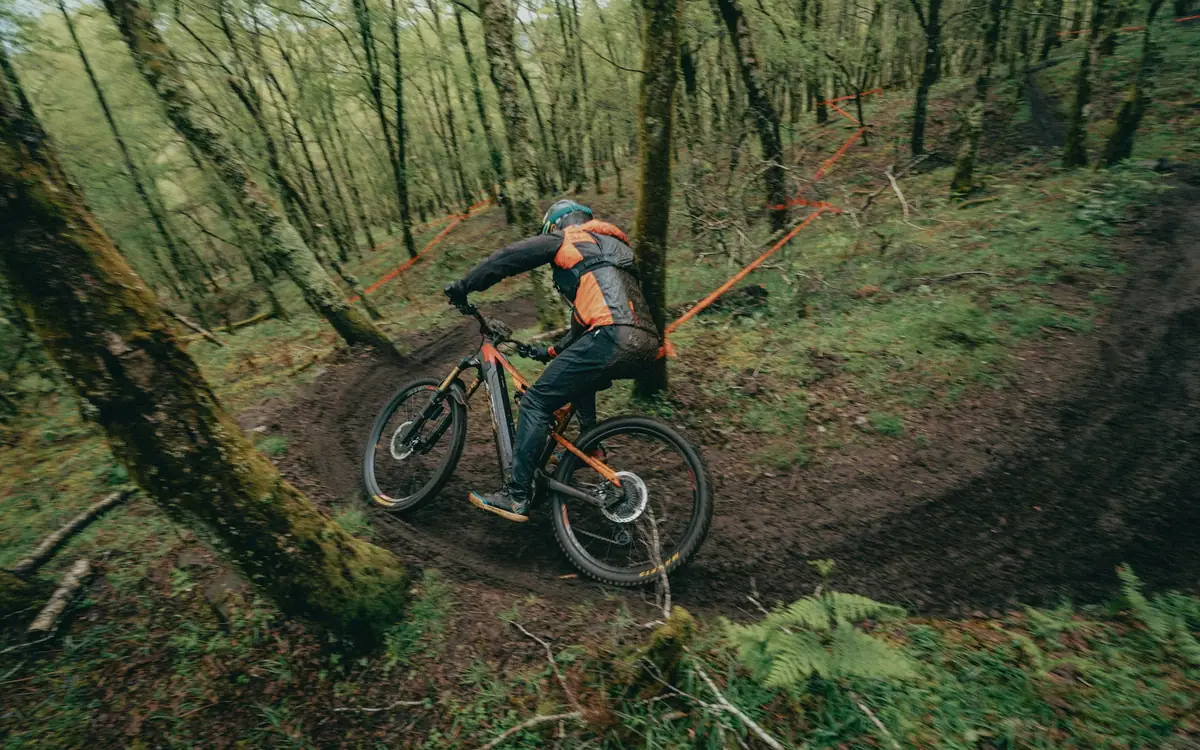
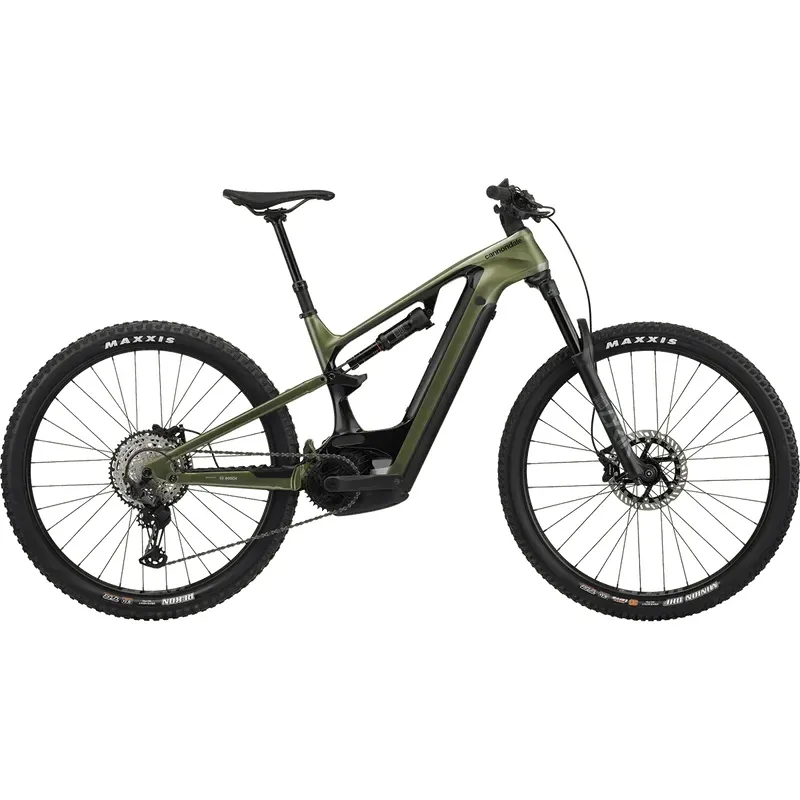
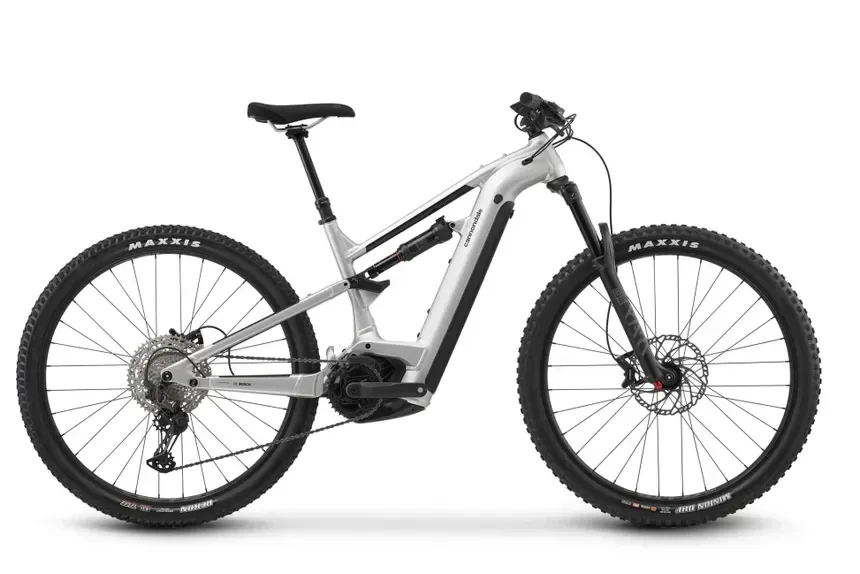
Searching for the Cannondale Moterra SL usually means choosing between a lighter bike and the standard Moterra Neo family. This guide explains Cannondale's own model platforms, where the Moterra SL sits, and how three Moterra Neo bikes we stock compare: the Neo 3 at €4,140, the Neo Carbon 2 at €5,520 and the Neo Carbon 1 at €7,820. All three list the Bosch Performance Line CX motor with 85 Nm and a 750 Wh battery, so the money buys the frame and the build. Prices come from our catalogue and specifications from our product pages and Cannondale.
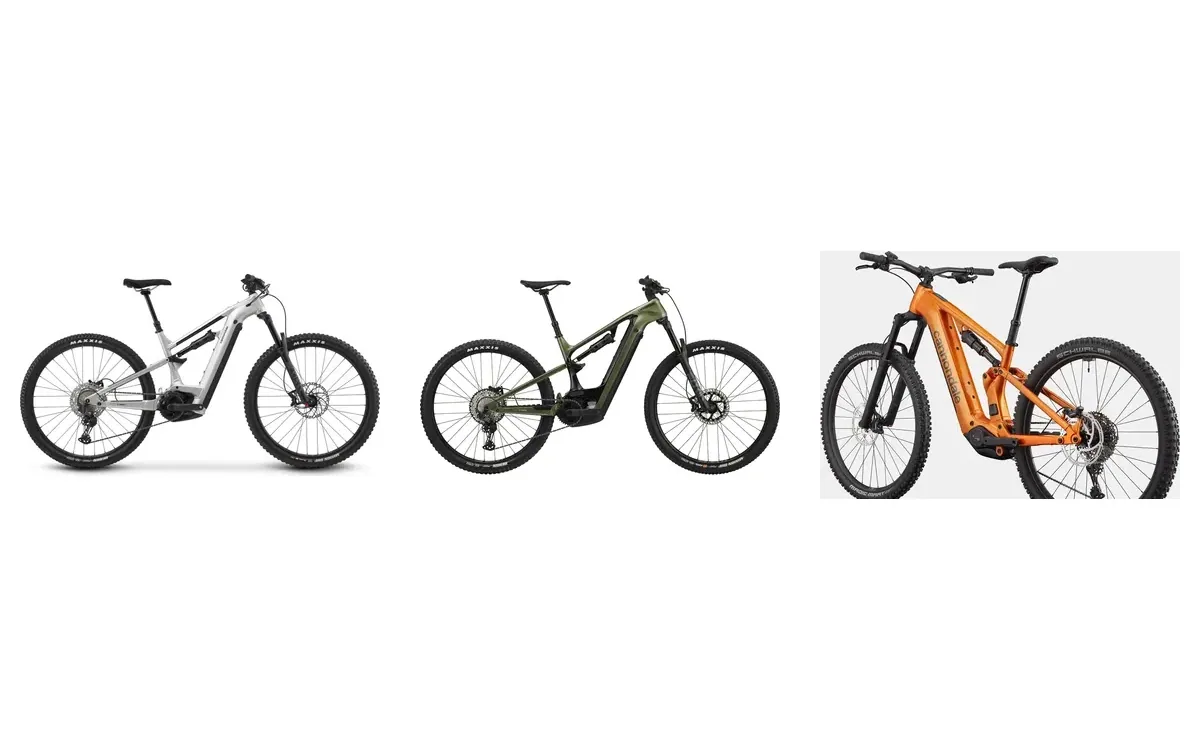
We list three Moterra Neo bikes. Prices are catalogue prices in euro including VAT; specifications are on the product pages. A dash means the page publishes no figure and we did not guess one.
| Model | Price | Motor | Torque (Nm) | Battery | Frame | Travel (mm) |
|---|---|---|---|---|---|---|
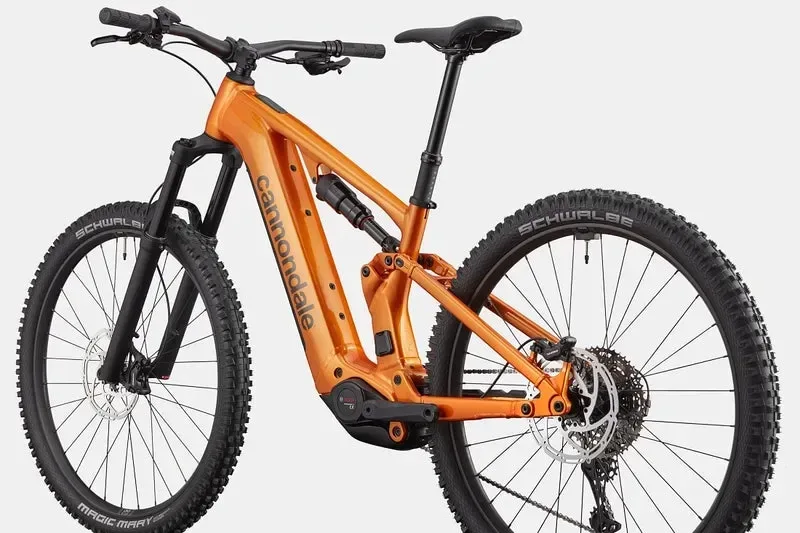
| Cannondale Moterra Neo 3 | €4,140 | Bosch Performance Line CX | 85 | 750 Wh | Aluminium | – |
| Cannondale Moterra Neo Carbon 2 | €5,520 | Bosch Performance Line CX | 85 | 750 Wh | Carbon | 150 / 150 |
| Cannondale Moterra Neo Carbon 1 | €7,820 | Bosch Performance Line CX | 85 | 750 Wh | Carbon | 150 / 150 |
All three list a Bosch Performance Line CX mid-drive motor with 85 Nm of torque and a 750 Wh battery, and all three are pedelecs within the EU 250 W and 25 km/h class. The Neo 3 has an aluminium frame, and its page publishes no suspension travel. The Neo Carbon 2 and Neo Carbon 1 have carbon frames and list full suspension with 150 mm at the front and 150 mm at the rear.
Cannondale describes four e-mountain bike platforms in its own eMTB buyer's guide: Moterra, Moterra LT, Moterra SL and Trail Neo. The Moterra family name unites all its full-suspension models, and the Trail Neo is its electric hardtail. Cannondale recommends the Moterra family, with 150 mm of travel at the front and rear, for riders who want equal capability on technical climbs and steep descents.
The Moterra LT has more travel, with a 170 mm fork and 165 mm at the rear, for riders who prefer big descents to the steepest climbs. The Moterra SL is described as the lightest of the three, with 160 mm of travel at the front and rear and a design focused on sharp handling and playful agility. Our three bikes are Moterra Neo models, the standard family, so we are comparing them with the SL, not offering it.
The SL idea is less weight and a lighter feel, and Cannondale says riders who want a low overall weight can choose lighter systems with a smaller battery and a lighter motor. A lighter system suits riders who do not cover long distances or want to enhance trail riding near home. A full-power Moterra Neo with a 750 Wh battery suits long days and big climbs.
We do not stock the Moterra SL and our pages publish no SL specification, so ask Cannondale or us for the current spec and price before you decide. The independent EMBN video above is a pro bike check of an SL. If you want more power and range, our three Neo bikes list the same Bosch CX motor and 750 Wh battery.
Cannondale says it uses only mid-mounted motors on its e-mountain bikes, which sit near the pedals for a balanced feel with a low centre of gravity, and relies on drive systems from Bosch and Shimano. The current maximum torque in its portfolio is 85 Nm, and Cannondale says a lower output of 60 Nm is enough for most riding. Its Bosch and Shimano motors weigh 2.7 to 2.9 kg, and the batteries are integrated into the down tube.
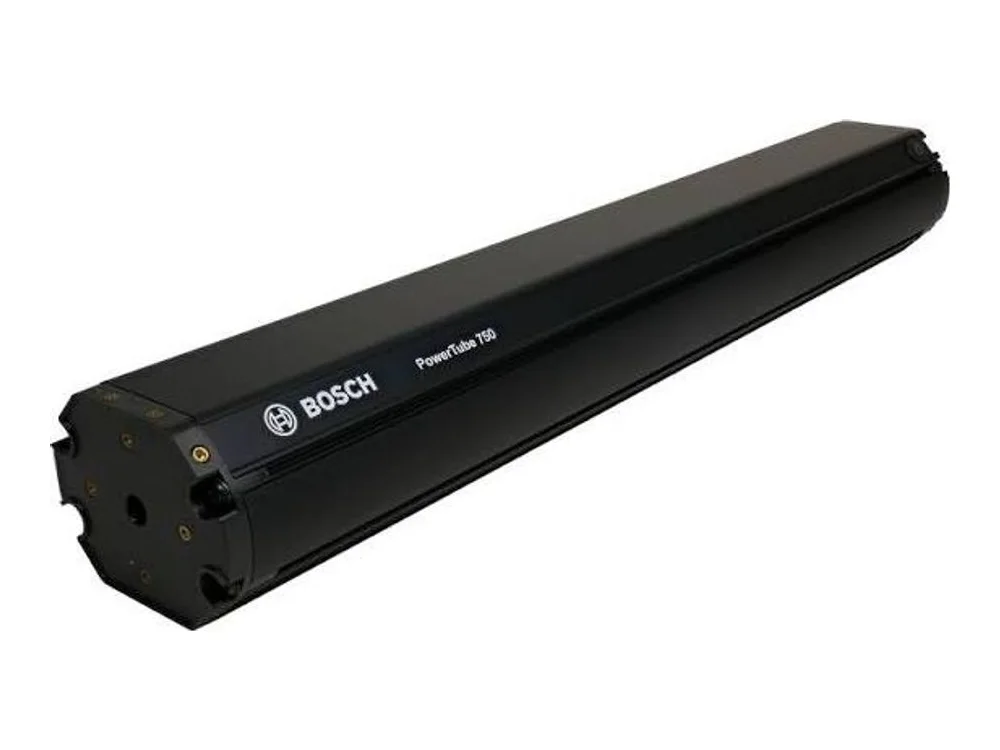
Our three bikes list 85 Nm, the top of Cannondale's range, and a 750 Wh battery. Cannondale also says some Bosch models take an optional 750 Wh supplemental battery that can add up to 175 km per ride depending on terrain, rider and set-up. Ask us whether a spare pack fits your model before you order; we list a Bosch PowerTube 750 Wh battery at €828, but we confirm fit first. For charging, read our e-bike charger guide.
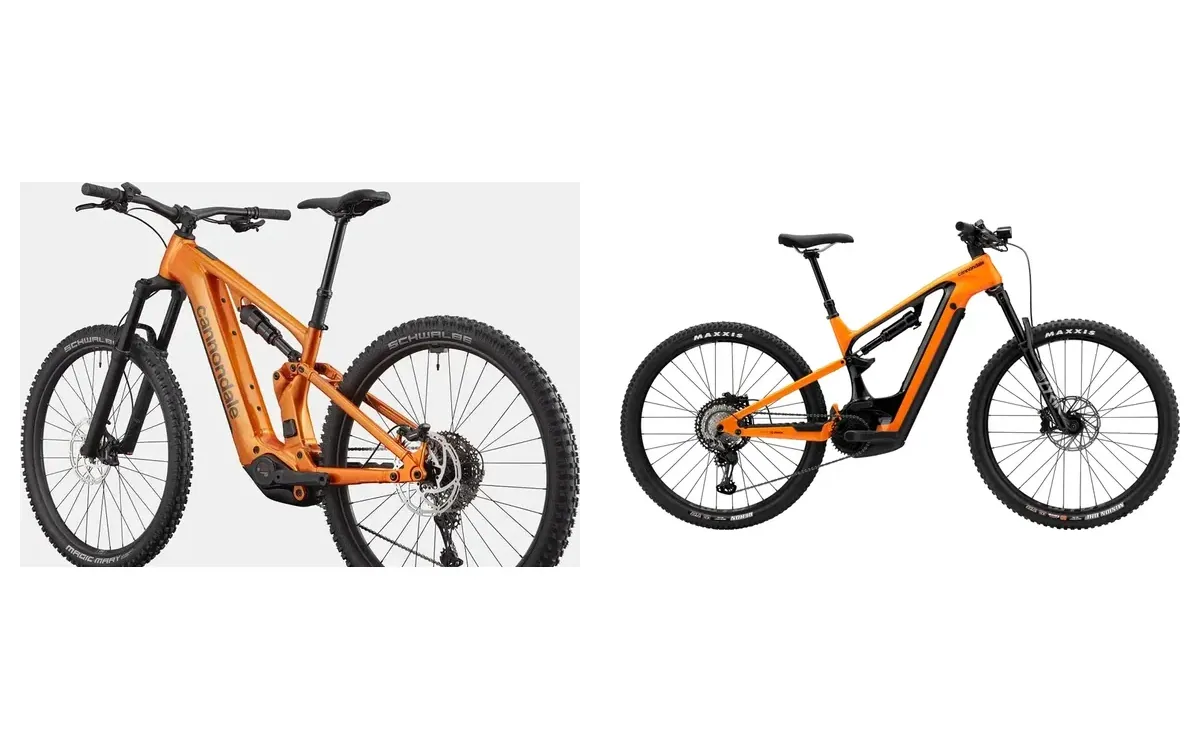
The price steps are clear: the Cannondale Moterra Neo 3 costs €4,140, the Neo Carbon 2 €5,520, €1,380 more, and the Neo Carbon 1 €7,820, another €2,300. All three list the same motor and battery on our pages, so the extra money buys the carbon frame and the component level, and our pages do not publish component lists, so ask us what each build includes.
Cannondale explains the trade-off. Carbon offers the best ratio of weight and stiffness, absorbs vibration better than alloy and is lighter, but it costs more to make and some repairs can cost more. Cannondale also points out that its aluminium engineering is advanced, so alloy is hardly a compromise. For a first full-suspension e-MTB on a budget, the Neo 3 is the sensible start; for weight and stiffness, the carbon models.
Suspension and sizing matter as much as the frame. Cannondale says its rear suspension is designed to help uphill as well as downhill by keeping the tyre in contact with the trail, and that its Proportional Response concept adapts the geometry, suspension kinematics and frame layout to each frame size. Ask us for the geometry chart for your height, because the right size changes how the bike feels more than a small price step does.
Our Cannondale pages list the legal class as pedelec, 250 W and 25 km/h, and say that in this EU configuration the bike is treated as a bicycle in most EU countries. Regulation (EU) 168/2013, Article 2, excludes cycles with pedal assistance cut off above 25 km/h and 250 W or less from the moped and motorcycle rules; the text is on the legislation.gov.uk copy of Article 2. We are not a legal authority, so check your country.
Gear matters on a 150 mm bike. See our helmet guide, which includes the POC Tectal Race MIPS, and our armour guide. To compare Cannondale with other brands, read our electric mountain bike guide, Specialized Levo and Kenevo guide and Trek Rail and Powerfly guide.
At €4,140 to €7,820 these are premium bikes. Compare them on the same basis: frame, travel, motor, battery, weight and the build, and test ride one if you can.
We ship from Germany with free delivery in Denmark. Outside Denmark a flat €69 shipping fee applies below €3,000, and free EU land shipping applies above that, which includes all three Moterra bikes. Orders are processed in 1 to 3 business days, you have a 14-day right of withdrawal, and the minimum order is €350. Ask on the contact page about stock, sizes and delivery.
See also our electric mountain bikes.
See all electric mountain bikes
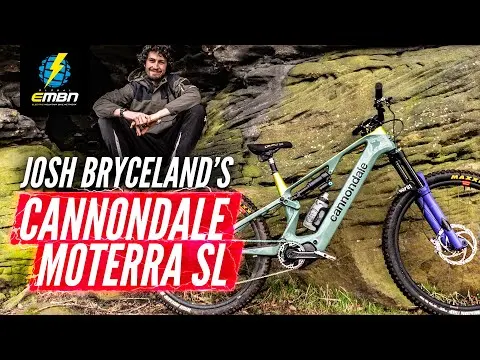
Cannondale describes the Moterra SL as the lightest of its Moterra platforms, with 160 mm of travel at the front and rear and a focus on sharp handling. We do not stock it, so check Cannondale or ask us for the current specification.
Cannondale says lighter systems use a smaller battery and lighter motor, while the standard Moterra family has 150 mm travel. Our Moterra Neo bikes list a Bosch Performance Line CX with 85 Nm and a 750 Wh battery. Ask us which suits your riding.
The Neo 3 at €4,140 has an aluminium frame. The Neo Carbon 2 at €5,520 and Neo Carbon 1 at €7,820 have carbon frames and 150 mm suspension. All list the same motor and battery, so choose by frame and build, and ask us for the component lists.
Our pages list a Bosch Performance Line CX mid-drive with 85 Nm of torque, which Cannondale calls the current maximum in its portfolio. They list the EU pedelec class of 250 W and 25 km/h assist, so the bike is treated as a bicycle in most EU countries.
Yes, all three Moterra Neo bikes on our site list a 750 Wh battery. Cannondale also says some Bosch models take an optional 750 Wh supplemental battery, so ask us whether a spare pack fits your model before you order.
In our catalogue the Moterra Neo 3 costs €4,140, the Neo Carbon 2 €5,520 and the Neo Carbon 1 €7,820 including VAT. Outside Denmark a flat €69 shipping fee applies below €3,000, and free EU land shipping applies above that.
Ready to choose? Browse electric mountain bikes, or tell us your height, riding and budget and we will confirm the Moterra, the size and the build.
Topics: cannondale moterra slcannondale moterra sl 2cannondale moterra neo 4cannondale electric mountain bikescannondale moterra sl 1cannondale e mtbcannondale electric bikes